AI at a Crossroads: GYDA Senior Advisor Urges Global Action to Prevent a "Digital Apartheid"
Location
Beijing, China
Date
March, 2026
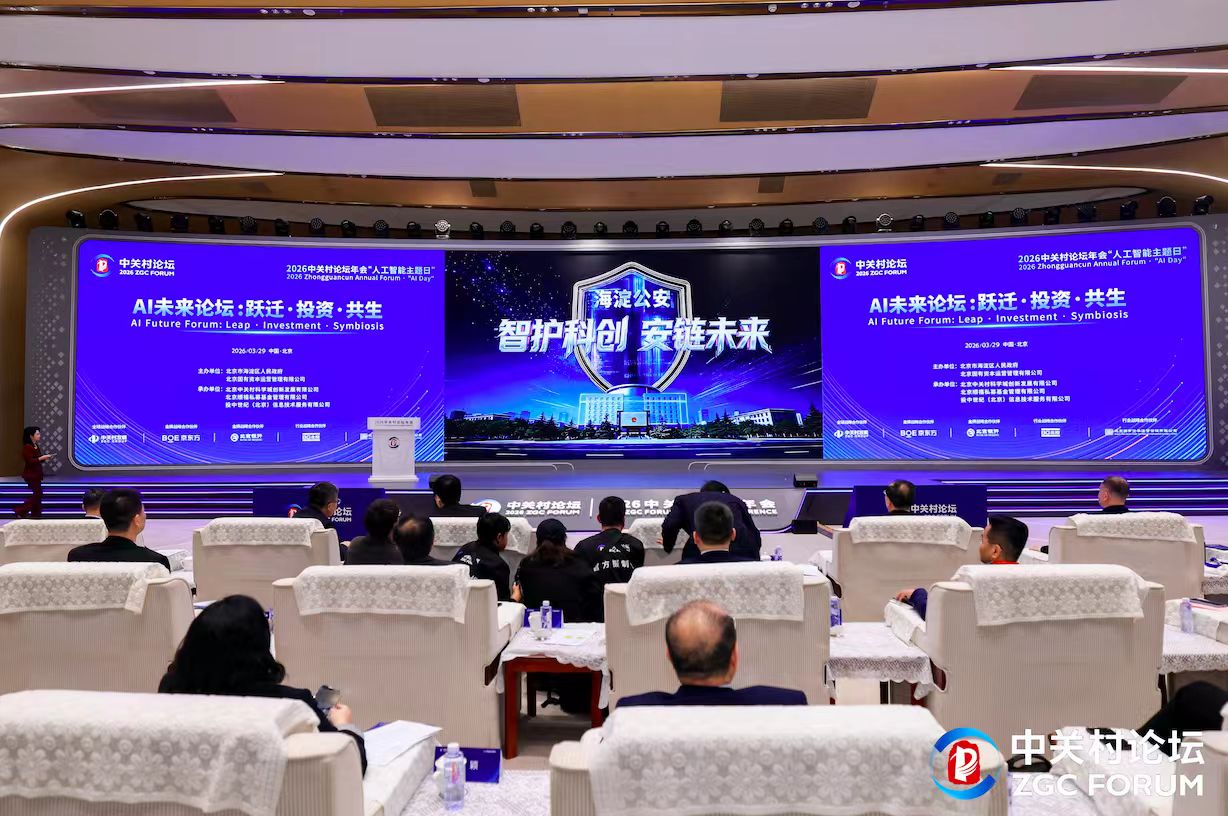
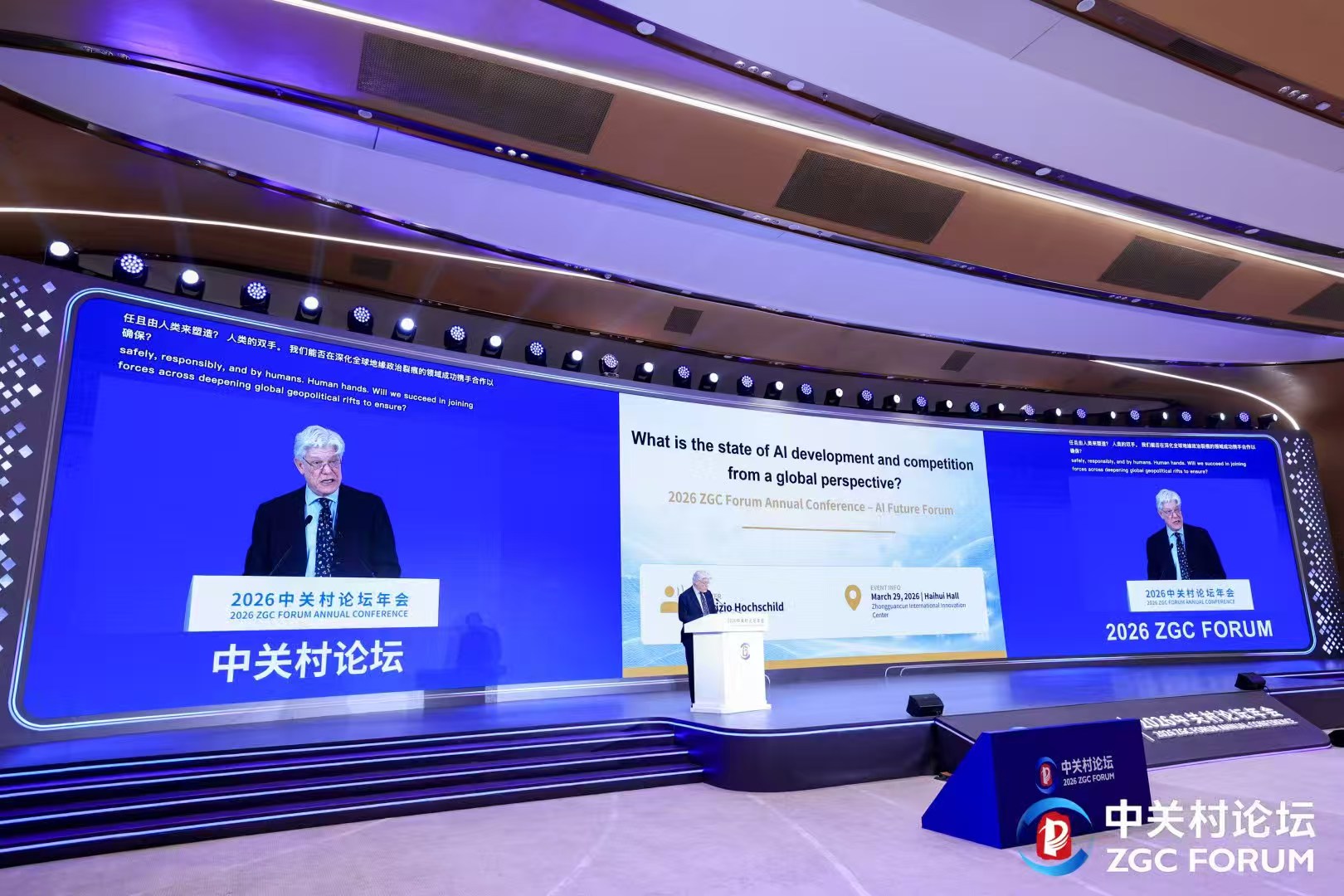
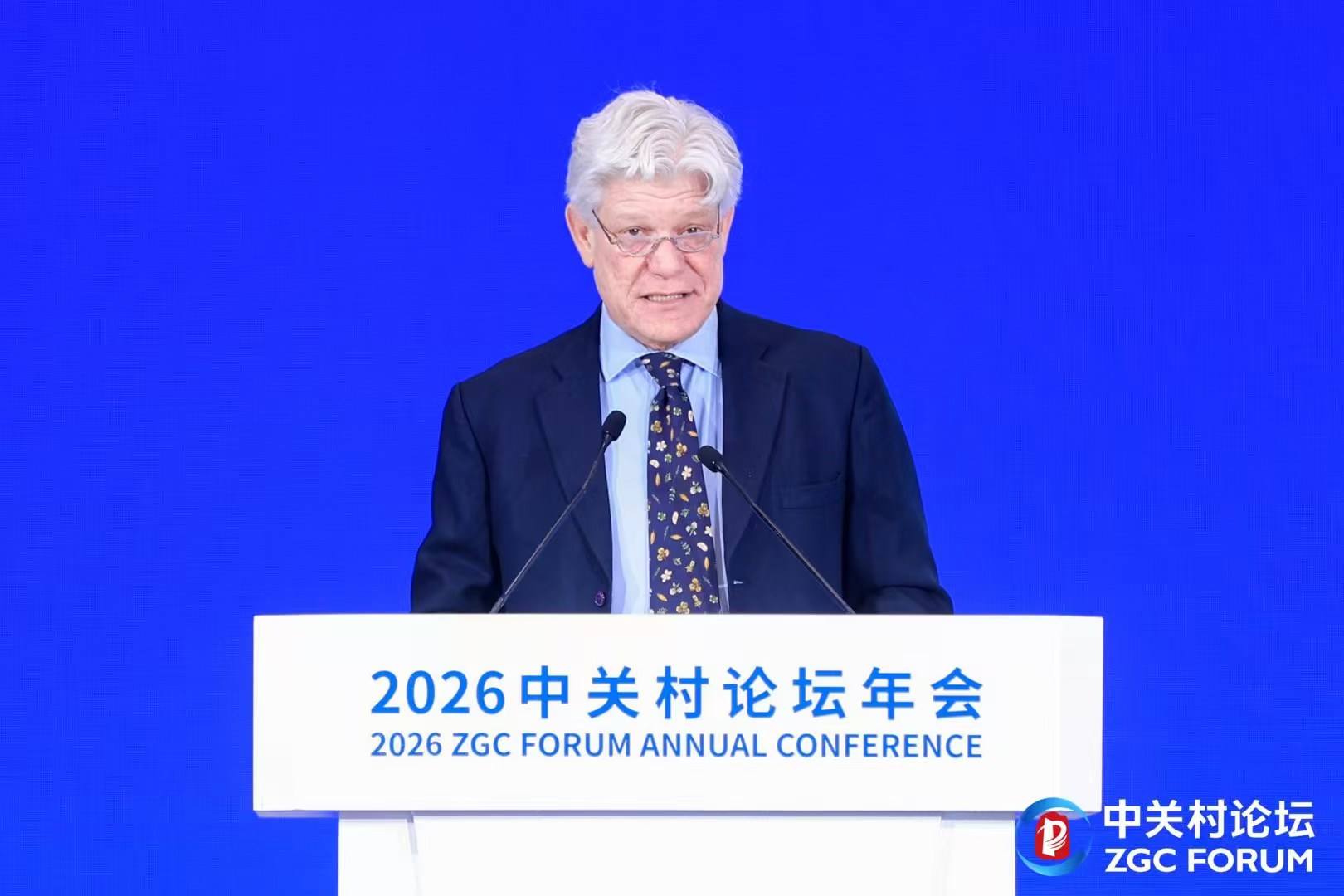
Beijing, March 2026 — At the 2026 Zhongguancun Forum, Fabrizio Hochschild, Senior Advisor to the Global Youth Development Alliance (GYDA) and former Under-Secretary-General of the United Nations, delivered a sobering assessment of artificial intelligence's global trajectory—and a clear-eyed roadmap to ensure it becomes a tool for shared prosperity, not a new source of division.
The Stark Reality: A World Splitting in Two
Mr. Hochschild opened with a statistic that frames the challenge:
In 46 of the world’s least developed countries, only one-third of the population has internet access.
For billions of people, especially across the Global South, the AI revolution is not an opportunity but a looming threat—a force that could deepen existing inequalities and create what he called a "digital apartheid."
"If the trajectory of AI is left entirely to market forces, amplified by geopolitical competition, its benefits will be, at best, unevenly distributed," he told the audience of government officials, industry leaders, and academics. "At worst, we risk creating a world divided in two: one half AI-driven and accelerating; the other half stuck in an analog past, disconnected from the future."
AI’s Roles and Limitations
The keynote highlighted concrete areas where AI is delivering measurable progress:
Health
AI-assisted diagnostics are helping detect diseases faster in resource-poor communities. AI-enabled personalized treatment offers new possibilities for complex conditions. The World Health Organization has identified AI as a critical tool for achieving universal health coverage, especially where medical professionals are scarce.
Education
In parts of Africa and South Asia, AI platforms are personalizing learning by adapting content to local languages and contexts—moving beyond a one-size-fits-all model.
Climate Action
In China and beyond, AI enables real-time monitoring of climate change, improves energy efficiency, and helps farmers target water and fertilizer use more precisely, boosting crop yields while reducing emissions.
"These are not speculative futures," Mr. Hochschild stressed. "They are happening today."
Three Imperatives for an Inclusive AI Future
To prevent AI from becoming a source of global division, the Senior Advisor outlined three priority actions:
1. Treat Access to Safe AI as a Global Public Good
Just like roads, sanitation, or public health, access to safe AI tools must be seen as a global public good—not an economic luxury. This requires greater investment in digital public infrastructure, especially for the most vulnerable. China’s national-level success in connectivity offers a powerful model.
2. Build AI Sovereignty Within a Global Framework
Every nation needs the digital literacy, research capacity, governance skills, and technical training to shape its own AI future—what he termed "AI sovereignty." But this sovereignty must be exercised within a globally interoperable framework of shared standards to avoid fragmentation and ensure AI systems work safely across borders.
3. Ensure Private-Sector Innovation Serves Public Goals
Most AI innovation originates in the private sector, driven by growth and commercial interests. The challenge is to ensure these advances also serve broader development and equity objectives. Companies must share models and tools more responsibly—open-source models, for example, allow innovators in Southeast Asia and Africa to adapt AI to local languages and cultural contexts.
He noted the "unusual concentration" of AI capabilities: scientific talent and market capitalization are largely concentrated in just 10–11 large global firms, roughly split between the United States and China. "With this wealth and power comes profound social responsibility—not only toward humanity, but toward the entire planet."
A Choice Between Two Paths
Mr. Hochschild concluded with a call for collective action:
"We stand at a crossroads. One path leads to greater global division, inequality, and exposure to known and unknown risks. The other leads to cooperation, where AI becomes a global public good—a more powerful, safer tool for human development everywhere."
"The real question today is not just what AI can do, but how we should use it. If we walk together, AI could become one of the most powerful forces for shared global prosperity."